
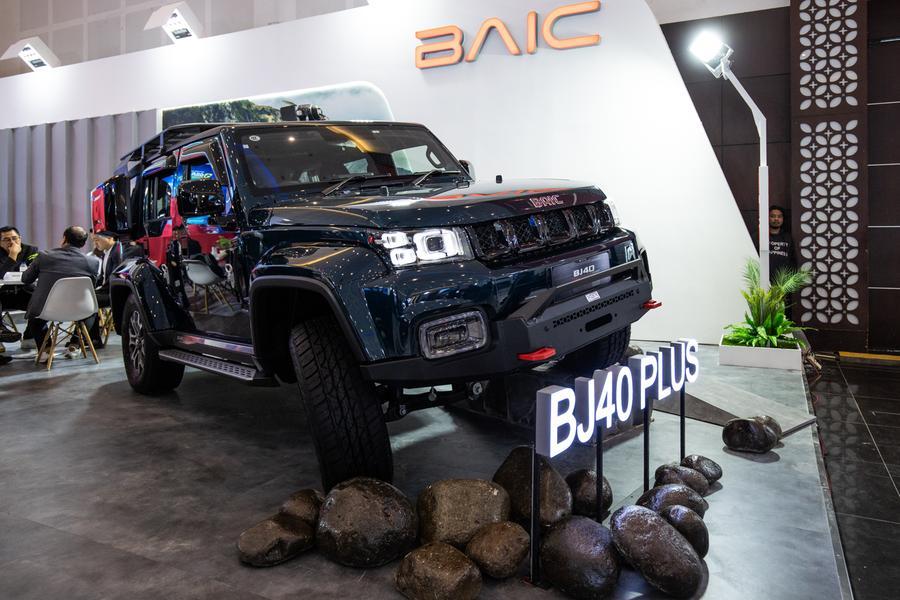

Saudi Commerce Ministry recalls 1,778 BAIC BJ40 vehicles over brake defect as Chinese imports face safety scrutiny
Riyadh, Saudi Arabia – January 25, 2026. Saudi Arabia’s Ministry of Commerce recalled 1,778 BAIC BJ40 SUVs manufactured between 2021-2025 on January 25, 2026, due to a critical brake booster defect that could impair braking performance. The action underscores escalating regulatory oversight of Chinese automotive imports across the Gulf region as affordability drives market share gains.
Core Facts: The recall targets BAIC BJ40 models sold in Saudi Arabia over a four-year production span. Affected vehicle owners must verify chassis numbers at http://Recalls.sa and contact authorized distributor Petromin Automotive Company at 8004420020 for complimentary repairs. The Ministry’s Defective Products Recall Center coordinates enforcement.
Data Evidence: This marks BAIC’s second Saudi recall in seven months, following a July 2025 action covering 2,234 BAIC X7 vehicles. Chinese automakers command approximately 20% market share in certain Gulf segments, driven by competitive pricing against established brands.
Expert Perspective:
“It was detected that there is a defect in the brake booster that could impair the braking system’s operation while driving, increasing the risk of an accident.”
— Saudi Ministry of Commerce statement
Analysis: The Ministry’s transparent disclosure reflects Vision 2030’s consumer protection priorities, applying identical safety standards to budget imports and premium marques alike.
Why This Matters
The brake system failure represents a critical safety hazard on Saudi Arabia’s high-speed highways and demanding desert terrain where the BJ40’s off-road capabilities attract enthusiasts. Mechanical failures at speed pose exponentially higher risks than urban driving scenarios, making swift remediation essential.
This recall demonstrates the Kingdom’s regulatory maturation as import volumes surge. While Chinese manufacturers offer compelling value propositions supporting automotive sector diversification, quality assurance gaps persist. The pattern of repeat recalls—two BAIC actions within seven months—suggests systemic compliance challenges rather than isolated defects.
For MENA markets, the development signals converging Gulf Cooperation Council standards on vehicle safety. Expect coordinated scrutiny of Chinese imports across UAE, Kuwait, and Qatar as regulators share intelligence on problematic components. Regional harmonization will pressure manufacturers to elevate quality control before market entry rather than post-sale remediation.
What to Watch Next
Monitor BAIC’s repair completion rates and owner compliance metrics. Further recalls affecting Chinese brands could trigger enhanced pre-import certification requirements. Watch whether Saudi Arabia adopts predictive enforcement models using AI to identify defect patterns before mass deployment.
Conclusion
The BAIC recall advances consumer safeguards while testing Chinese manufacturers’ commitment to Gulf quality standards. As Vision 2030 diversification attracts new entrants, regulatory rigor will separate serious players from opportunistic exporters chasing price-sensitive segments.
Sources: Saudi Gazette, Zawya, Saudi Press Agency

