
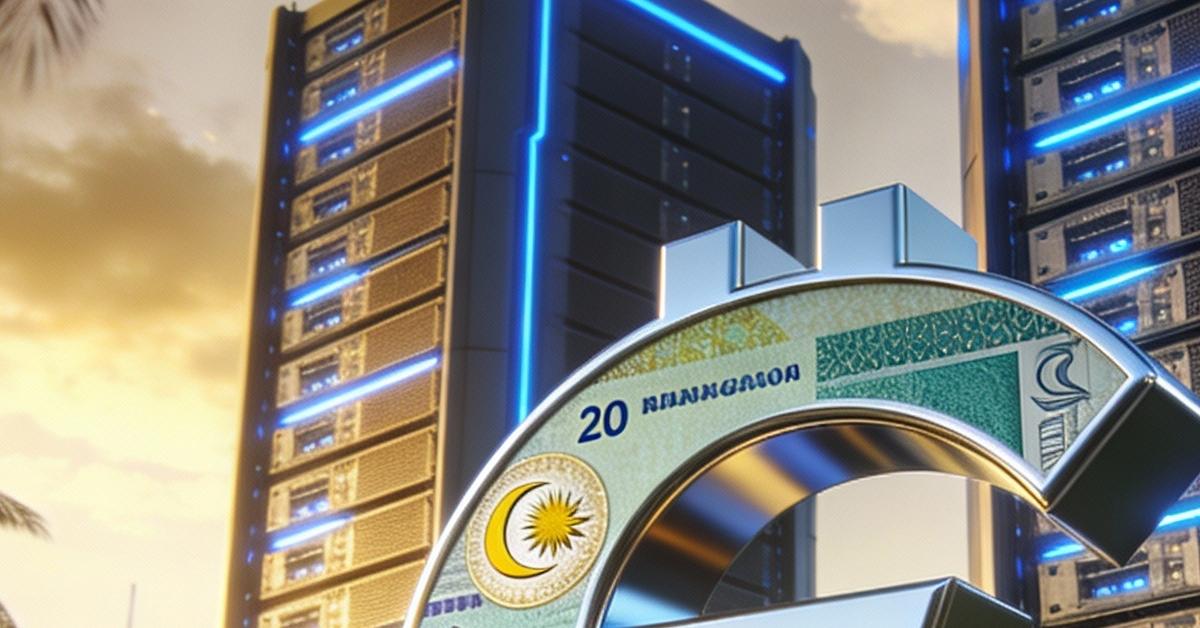

Malaysian ringgit hits highest since 2018 as AI infrastructure drives rally
Kuala Lumpur, Malaysia – January 26, 2026. The Malaysian ringgit strengthened to 3.970 per US dollar on January 26, 2026, marking its strongest level since June 2018. The currency rally reflects investor confidence in Malaysia’s positioning within the artificial intelligence supply chain and accelerating data center investments totaling $39 billion.
Core facts
Malaysia’s currency appreciated to as high as 3.970 per dollar on Monday, driven by optimism over the nation’s integration into AI infrastructure networks. The rally positions the ringgit as one of Asia’s strongest-performing emerging market currencies in early 2026.
Johor state approved 42 data center projects valued at 164.45 billion ringgit ($39.08 billion), underscoring Malaysia’s emergence as Southeast Asia’s primary data center hub. The national data center market stands at $5.48 billion in 2025, with projections reaching $16.02 billion by 2031—a 192% expansion driven by cloud computing and AI workloads.
“The currency appreciated to as high as 3.970 per dollar on Monday, the strongest since June 2018.”
Analysis: This appreciation signals structural economic shifts beyond cyclical forex movements, reflecting tangible capital inflows into technology infrastructure rather than speculative positioning.
“Buoyed by optimism over the country’s ties to the artificial intelligence supply chain and the nation’s growth outlook.”
Analysis: Malaysia’s strategic positioning as an AI infrastructure gateway demonstrates how technology investments now drive currency valuations, particularly for emerging markets with competitive energy costs and data sovereignty frameworks.
Why this matters
For MENA fintech ecosystems, Malaysia’s trajectory offers a blueprint for leveraging technology infrastructure to strengthen economic fundamentals. UAE and Saudi Arabia’s parallel investments in data centers and AI capabilities under Vision 2030 and D33 initiatives position the region similarly—where technology infrastructure attracts foreign direct investment that stabilizes currencies and deepens capital markets.
The ringgit’s strength demonstrates how AI-driven infrastructure investments create measurable economic impact beyond technology sectors. MENA fintech platforms monitoring cross-border payment flows should note how currency stability in tech-aligned economies affects remittance corridors and regional trade settlement.
What’s next
What to watch next: Malaysia’s ability to maintain the ringgit near 4.00/USD levels, 2026 GDP growth revisions reflecting data center contributions, and regulatory frameworks governing data localization that could influence future capital inflows.
Conclusion
Malaysia’s currency rally underscores the financial sector implications of AI infrastructure buildout, linking technology investments directly to macroeconomic stability—a dynamic increasingly relevant to MENA’s diversification strategies.
Sources: Bloomberg, Reuters, Yahoo Finance

