
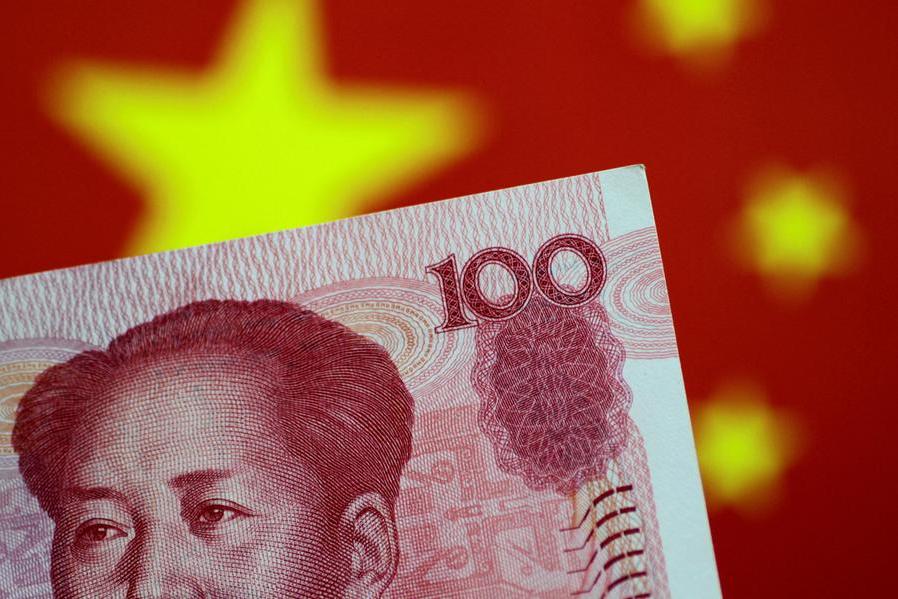

China’s yuan breaks above 7 as Beijing signals currency stabilization push
The People’s Bank of China set the yuan trading midpoint at 6.9929 per U.S. dollar on January 23, 2026—the strongest level since May 17, 2023—marking the first time the fix broke above the psychologically critical 7.00 threshold in over 2.5 years. The move signals Beijing’s intensified efforts to bolster yuan internationalization amid shifting global trade dynamics.
Overview
The PBOC fixes the daily yuan midpoint against the dollar, establishing the center point for onshore trading within a permitted 2% band. Friday’s 6.9929 fix represents a significant departure from the depreciation pressures that characterized much of 2023-2025, when capital outflow concerns and U.S.-China trade tensions weighed on the currency. Spot CNY/USD traded firmer in response to the stronger fix.
Global investment houses forecast the yuan to strengthen past 7.00 throughout 2026, according to Reuters, citing narrowing U.S. yield differentials and easing trade tensions as supportive factors. Beijing has separately announced that China’s digital yuan will bear interest starting in 2026, a policy shift designed to accelerate adoption.
Why this matters
This yuan appreciation reduces the depreciation pressures that intensified scrutiny on capital outflows throughout 2024. The stronger currency supports Beijing’s strategic push to establish the yuan as a global funding currency, particularly as Chinese debt issuance in international markets has surged.
For MENA fintech ecosystems, a strengthening yuan carries direct implications for cross-border payment infrastructure. Gulf financial hubs increasingly process yuan-denominated transactions as China deepens trade relationships across the region. Dubai and Riyadh-based fintechs are exploring yuan integration for oil trade invoicing, though specific transaction volumes remain undisclosed.
The development connects to broader de-dollarization trends reshaping regional payment corridors. As digital yuan infrastructure matures, MENA fintech platforms may face competitive pressure to integrate RMB settlement capabilities, potentially challenging SWIFT-reliant systems that currently dominate regional cross-border flows.
What’s next
Monitor PBOC midpoint settings for sustained strength beyond 7.00, U.S. Federal Reserve policy shifts affecting yield differentials, and digital yuan rollout specifications in 2026. Track announcements from UAE and Saudi central banks regarding bilateral yuan payment systems.
Conclusion
The yuan’s advance positions MENA fintech at the intersection of RMB globalization and digital currency innovation, creating both competitive threats to dollar-based infrastructure and opportunities for platforms that successfully integrate multi-currency settlement capabilities.
Sources: Zawya, DevDiscourse, Reuters

