
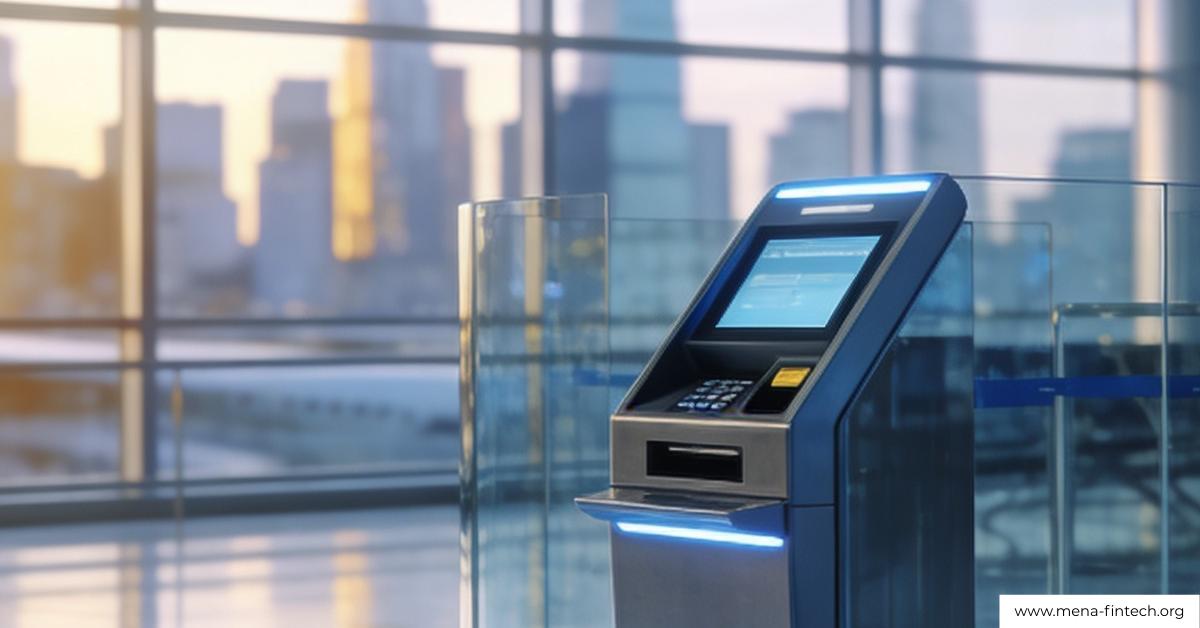

Uber and Adyen expand global partnership with phone-free booking kiosks
DUBAI, UAE – February 9, 2026 – Uber and Adyen announced an expanded payments partnership featuring new kiosks powered by Adyen terminals that enable phone-free ride bookings without the Uber app. The first kiosk debuted at New York’s LaGuardia Airport Terminal C, with rollouts planned for hotels, ports, and international airports in coming months.
Uber is leveraging Adyen’s platform for enhanced performance and alternative payment methods across new territories including the United Arab Emirates, Hong Kong, and the Caribbean. The expansion includes local acquiring capabilities in Japan, Mexico, New Zealand, and Australia, plus integration of payment methods including Pix in Brazil and WeChat Pay worldwide. The kiosks address travelers without smartphone access, bridging physical-digital gaps in mobility services.
“A reliable and innovative payment platform is a fundamental requirement for Uber’s global growth. Continuing and expanding our partnership with Adyen is key to that, enabling us to support our growth and quickly integrate new methods.”
— Karl Hébert, Vice President of Global Commerce at Uber
Why it matters: The statement underscores Adyen’s critical role in scaling Uber’s payment infrastructure to meet rising international demand across diverse markets.
Industry Context
Ride-hailing firms face mounting pressure to diversify payment options for global users as digital wallets and local payment methods proliferate. Adyen’s unified platform enables quick integrations, vital for companies operating across multiple regulatory environments and consumer preferences. The introduction of kiosks represents a strategic move to capture app-less travelers, particularly in high-traffic venues like airports and hotels where seamless booking experiences drive customer satisfaction.
In MENA, the inclusion of the United Arab Emirates signals accelerating fintech momentum in the region. Dubai’s airports and hotels could see kiosk deployments, easing ride booking for tourism-driven traffic. This expansion bolsters Adyen’s foothold in high-growth hubs and aligns with regional government initiatives promoting cashless payment ecosystems across Gulf Cooperation Council markets.
Conclusion
The partnership positions Uber for frictionless expansion into new territories while potentially transforming airport and hotel booking experiences through physical touchpoints. The kiosk infrastructure may drive transaction efficiency and rider convenience as deployment scales across international locations throughout 2026.
Sources: PYMNTS

