
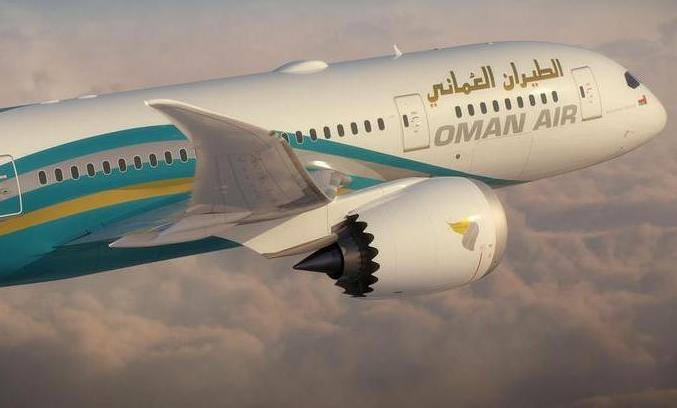

Oman Air carries 5.8 million passengers in 2025, up 8% year-on-year
MUSCAT, Oman — January 28, 2026 — Oman Air announced it transported 5.8 million passengers in 2025, marking an 8% increase from 2024 and 57% growth since 2022. Capacity expanded 6% while load factor improved to 82% from 76%, reflecting the airline’s transformation strategy amid network expansions.
Announcement Specifics
Oman Air launched direct routes to Amsterdam, Taif, Singapore, Baghdad, and Copenhagen in 2025. The carrier joined the oneworld alliance mid-year, providing access to 900 destinations globally. Point-to-point passengers reached 64% of total traffic, up 34% year-on-year. Muscat remains the primary hub, while Salalah capacity increased 17% versus 2024. The airline implemented fixed domestic fares for Omani nationals on the Muscat-Salalah route to support affordability.
Stakeholder Perspective
“These results highlight the tangible progress made through Oman Air’s transformation strategy, which has prioritised commercial optimisation, smarter deployment of resources, and a sharper focus on customer experience. They show that we’re not only attracting more passengers, but also generating higher quality revenue, delivering long-term benefits for both the airline and for Oman as we build a more agile, customer-centric and financially resilient business that reflects the pride, ambition and potential of Oman.”
— Con Korfiatis, CEO at Oman Air
Why it matters: The statement underscores the airline’s pivot toward profitability and its role in bolstering Oman’s tourism sector through operational efficiency and revenue quality improvements.
Industry Context
GCC airlines continue post-pandemic recovery trajectories, with Oman Air’s oneworld alliance entry enhancing its competitive positioning against regional carriers including Emirates and Qatar Airways. The passenger growth bolsters Oman’s tourism objectives, targeting 580,000 additional Salalah passengers by 2030 to generate OMR 320 million in revenue. The expansion positions Muscat as an emerging MENA aviation hub amid accelerating regional capacity deployment, as Gulf carriers leverage geographic advantages and infrastructure investments to capture transfer traffic flows between Asia, Europe, and Africa.
Conclusion
Oman Air anticipates reaching financial breakeven in the near term, with Russian and European network expansions planned. The carrier’s sustained passenger growth trajectory is expected to generate continued economic contributions to Oman’s diversification strategy and tourism development goals.

